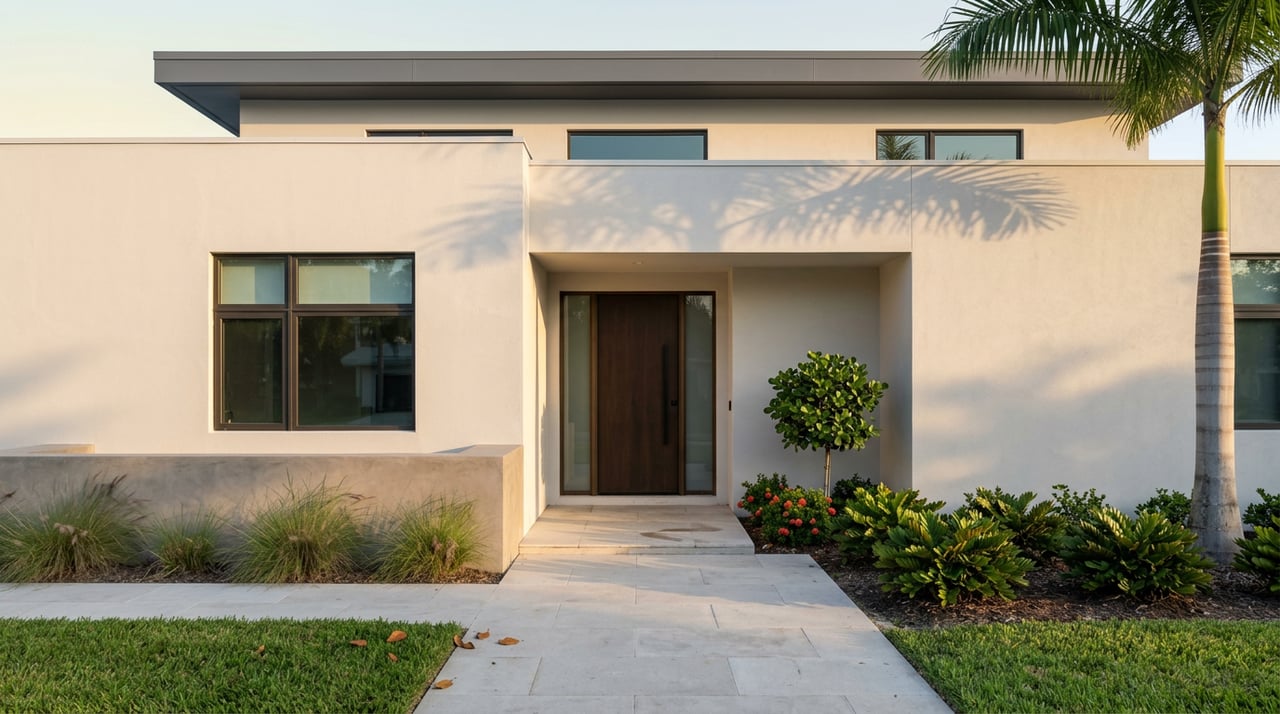
If you are looking at Osceola Park in Delray Beach through an investor lens, one thing stands out fast: this is not a wide-open redevelopment zone. It is a built neighborhood with older lot patterns, mixed zoning, and a growing list of public improvements that make small, well-planned projects more realistic than broad speculation. If you want to understand where infill opportunities may exist, what zoning really means here, and what to review before you buy, this guide will help you focus on the details that matter most. Let’s dive in.
Why Osceola Park draws investor interest
Osceola Park covers roughly 170 acres just south of Delray Beach’s central business district, between Federal Highway and the F.E.C. Railroad, according to the Osceola Park Neighborhood Redevelopment Plan Update. That location alone helps explain why buyers and small developers continue to watch the area.
The neighborhood was originally platted in 1913 with a grid of lots that were mostly about 50.5 feet wide by 132.5 feet deep. That older urban layout creates a different development story than you would see in a newer suburban neighborhood. In practical terms, many opportunities here are shaped by lot dimensions, access, and compatibility with surrounding uses.
The same redevelopment plan notes that vacant land is limited, so future development is expected to come mainly through infill, redevelopment, and rehabilitation. That is a key point if you are underwriting a project in Osceola Park. The likely plays are smaller and more tailored to the block, not large-scale ground-up transformation.
What the neighborhood framework supports
Osceola Park includes a mix of property types and use patterns. Public planning documents describe single-family blocks south of SE 6th Street, older duplex and multifamily pockets, low-intensity commercial and auto-related frontage along Federal Highway, and commercial or light-industrial uses near the railroad in the northwest portion of the neighborhood.
That mix is important because it affects what may feel feasible versus what is actually compatible under the city’s adopted planning framework. The community redevelopment plan and 2019 update both point to a neighborhood that is evolving through targeted reinvestment, while still preserving its established pattern in many areas.
For investors, that usually means the best opportunities come from understanding the block-by-block context. A parcel near an edge condition may present a different path than one in the middle of a predominantly single-family section.
Osceola Park zoning at a glance
The 2019 plan update identifies several zoning districts within Osceola Park, with R-1-A single-family residential as the largest by far at 78.43 acres, or 54.7 percent of the neighborhood. The plan describes R-1-A as the dominant district east of the railroad and states that it permits single-family homes with a minimum lot area of 7,500 square feet.
That one standard has major implications. Since many historic lots were originally platted at about 50.5 by 132.5 feet, investors should not assume every parcel lines up neatly with current minimum lot requirements. In some cases, a site may be conforming, nonconforming, or better suited for assemblage.
Future land use matters too
The same plan states that the future land use map includes Low Density Residential, Medium Density Residential, Commercial Core, and Community Facilities designations. These designations help shape what kinds of projects may be considered compatible in different parts of the neighborhood.
Medium Density Residential areas can support single-family, duplex, multifamily, or townhouse development. Commercial Core areas along Federal Highway can accommodate commercial and office uses, renovated homes used as offices, bed-and-breakfast uses, and some industrial-commerce type uses. That mix creates flexibility in select locations, but it does not mean every site can support the same end product.
City policy reinforces compatibility
Delray Beach’s current Comprehensive Plan includes Policy NDC 2.7.17 and Policy NDC 2.7.18, which support compatible housing types in Osceola Park based on the adopted redevelopment plan and direct staff to consider that plan when evaluating rezonings, development applications, and public infrastructure projects.
That is one reason Osceola Park is best understood as a controlled infill market. The city’s policy direction supports redevelopment, but within the context of the neighborhood plan rather than through open-ended density assumptions.
Why infill is the main opportunity
Because vacant land is limited, the real opportunity in Osceola Park is often in repositioning existing property, assembling lots, or building small projects that match the neighborhood’s planning framework. That could include a single-family redevelopment, a townhouse concept in the right zoning context, or a renovation play on a commercial or multifamily edge.
The city’s Current Planning page adds another practical layer. Level 2 site plan review applies to new construction or conversions of up to five dwelling units, while Level 3 applies above that threshold. The city also states that most applications begin with a pre-application meeting, so even smaller deals typically benefit from early staff feedback.
For boutique developers, that process matters. A project may look straightforward on paper, but site access, parking layout, drainage design, and right-of-way details can quickly shape what is realistically achievable.
Public investment supports long-term appeal
One of the strongest signs of momentum in Osceola Park is the level of public investment already in place. The City and CRA funded the Osceola Park Neighborhood Improvements project in phases beginning in 2020.
Public documents say that work included paving unimproved alleys, adding sidewalks, improving swales and rainwater runoff, traffic-safety upgrades, landscaping, LED lighting, and water and sewer improvements. The city also said the project used pervious pavement and bioswales to help reduce stormwater runoff and flooding.
The CRA’s Phase II improvements overview makes clear that the goal was to improve walkability, lighting, and safety while also supporting neighborhood resiliency. For investors, this matters because infrastructure upgrades can improve functionality and reduce some of the friction that older neighborhoods often carry.
Placemaking is part of the story
Infrastructure is only one piece of the neighborhood’s repositioning. The CRA’s Art in the Alley recap notes that more than 40 artists created work for Osceola Park alleyways in 2024.
That kind of placemaking does not change zoning, but it can change perception and visibility. It is another signal that Osceola Park is being shaped through both public investment and neighborhood identity-building.
What recent projects suggest
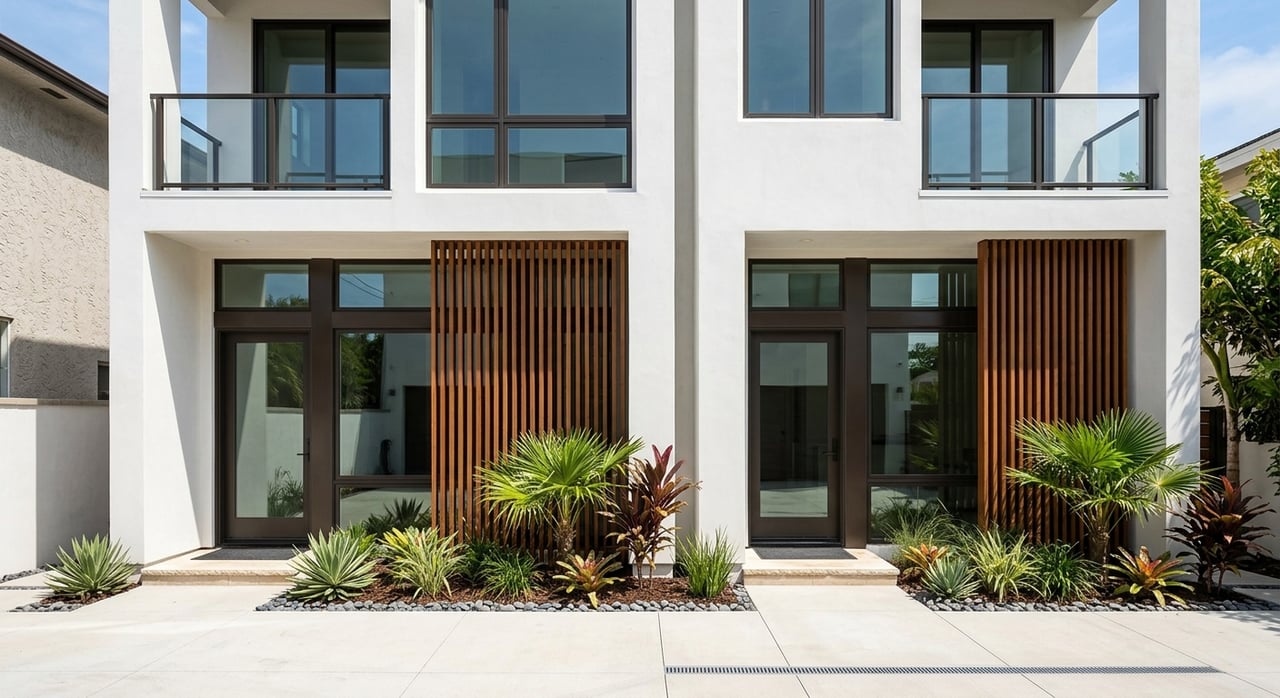
City development records show there is real small-scale infill activity in the neighborhood. One example is the city’s Osceola Park Townhomes project page, which lists a three-story, three-unit townhome proposal at 202 SE 4th Ave in RM zoning.
There is also a published alley right-of-way abandonment application tied to Linn’s Addition to the Osceola Park plat. Together, these examples show that many deals here are not simple buy-and-build scenarios. They often involve site-specific entitlement, access, or assembly questions that should be addressed early.
Key diligence items before you buy
If you are considering an acquisition in Osceola Park, your underwriting should go beyond price per square foot or resale assumptions. The neighborhood’s age, lot pattern, and mixed-use framework make technical diligence especially important.
Verify lot size and conformity
Start with the parcel itself. Because many original lots were smaller than the current R-1-A minimum lot area, you should confirm whether the property supports your intended use as-is, whether it is legally nonconforming, or whether adjacent land would improve the project’s viability.
This is one of the biggest filters for investor appeal in Osceola Park. A strong location does not automatically equal a workable development site.
Review access and alley conditions
Older grid neighborhoods often come with alley access, unusual right-of-way conditions, and utility easements that can shape building placement and parking design. In Osceola Park, that is not theoretical. The published abandonment filing shows these issues are active parts of the development landscape.
Before you move forward, review legal access, alley dimensions, easements, and any related title or survey questions. For a compact infill site, these details can materially change the layout.
Underwrite drainage and civil work
Flooding and stormwater management are recurring themes in city and CRA planning documents. The neighborhood improvement work focused heavily on swales, runoff, pervious pavement, and related infrastructure for a reason.
That means drainage should be treated as a core underwriting item. You will want to evaluate elevation, stormwater requirements, utility capacity, and any civil engineering costs needed to make the site buildable or redevelopable.
Match the use to the block
Osceola Park is mixed, but it is not uniform. Some parts are primarily single-family, while other areas have duplex, multifamily, commercial, or light-industrial edge conditions.
The redevelopment plan also notes maintenance, parking, and over-occupancy issues in some older properties. That context reinforces the importance of a compatible project concept. The strongest opportunities tend to be the ones that fit the existing framework instead of fighting it.
Do not assume extra overlay controls
The redevelopment plan discusses a conservation district as a proposed concept to be studied, not an adopted overlay. That distinction matters.
If you are evaluating design or redevelopment restrictions, rely on currently adopted code and plan documents rather than assumptions about future controls. That can help prevent overcomplicating a site before you have even verified the actual rules in place today.
Where investor appeal is strongest
For most buyers and boutique developers, Osceola Park’s appeal comes from a specific combination of factors: proximity to downtown Delray Beach, an older urban lot grid, mixed-use edges, active public investment, and city policies that still support compatible redevelopment.
In practice, the strongest plays are likely to be:
- Small lot assembly opportunities
- Townhome or multifamily projects in the appropriate zoning context
- Renovation and repositioning strategies
- Commercial or mixed-edge properties that align with the adopted plan
- Smaller, carefully calibrated density rather than broad speculative redevelopment
That profile makes Osceola Park especially relevant for investors who are comfortable with diligence-heavy deals and neighborhood-specific planning analysis. It is less about chasing unlimited upside and more about finding the right site, understanding the process, and executing with precision.
How a local advisor can help
In a neighborhood like Osceola Park, local knowledge can save you time before you ever get to contract. The biggest questions are rarely just about list price. They are about zoning, lot function, access, planning alignment, and whether the site’s constraints still leave room for a strong outcome.
That is where experienced guidance matters, especially if you are comparing multiple off-market or on-market opportunities in Delray Beach. If you are evaluating a parcel, repositioning opportunity, or small development play in Palm Beach County, connecting with Jeffrey Creegan can help you approach the opportunity with a sharper strategy.
FAQs
What makes Osceola Park in Delray Beach attractive for infill investment?
- Osceola Park stands out because it sits just south of downtown Delray Beach, has limited vacant land, and is expected to grow mainly through infill, redevelopment, and rehabilitation rather than large-scale new subdivision development.
What zoning is most common in Osceola Park Delray?
- The dominant zoning district in Osceola Park is R-1-A single-family residential, which the redevelopment plan says covers 78.43 acres, or 54.7 percent of the neighborhood, and requires a minimum lot area of 7,500 square feet.
Can you build townhomes in Osceola Park Delray Beach?
- In some parts of Osceola Park, yes, because the future land use framework says Medium Density Residential areas can support townhouse development, but whether a specific site works depends on zoning, lot conditions, access, and city review.
What should investors review before buying property in Osceola Park?
- Investors should review lot size and conformity, access and alley conditions, drainage and civil engineering needs, utility considerations, and whether the proposed use aligns with the adopted redevelopment framework for that part of the neighborhood.
Are there public improvements in Osceola Park that support redevelopment?
- Yes, the city and CRA funded phased neighborhood improvements that included sidewalks, alley paving, swale and runoff upgrades, LED lighting, landscaping, traffic-safety work, and water and sewer improvements, all of which support long-term neighborhood functionality.
Does Osceola Park have a special conservation overlay district?
- Public planning sources describe a conservation district as a proposed concept to be studied, not an adopted overlay, so investors should evaluate sites based on the currently adopted code and plan documents.