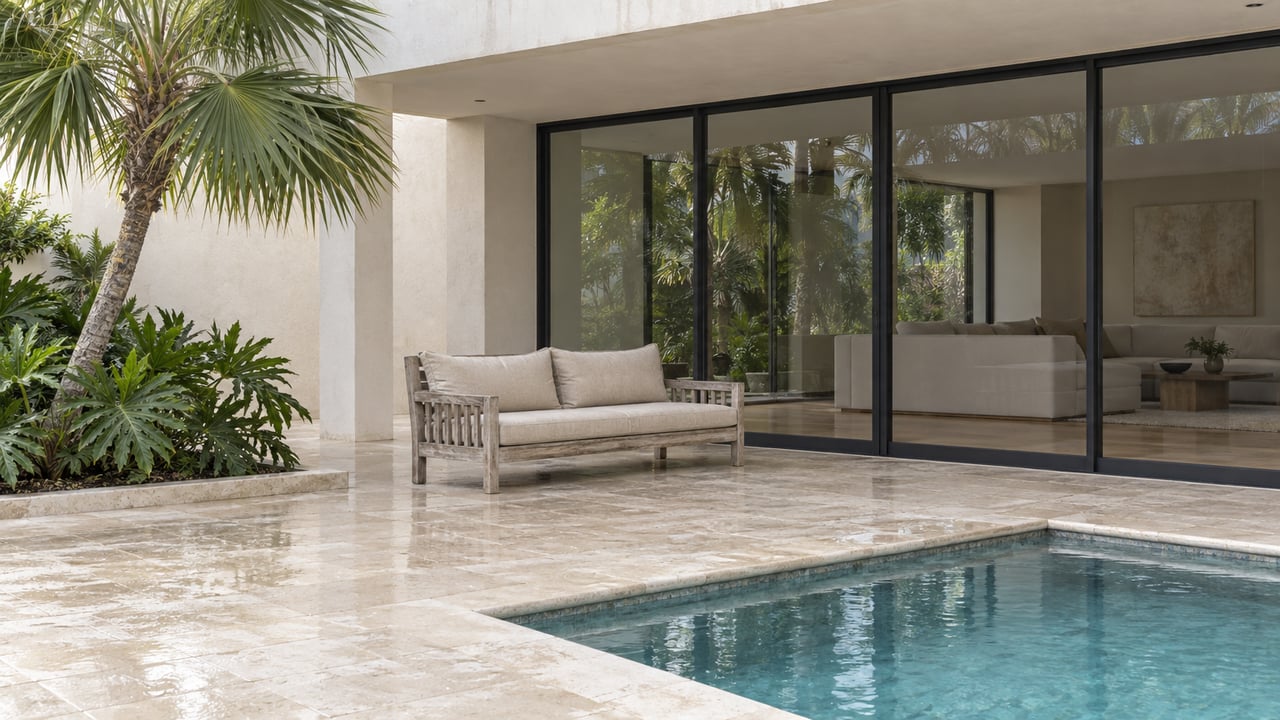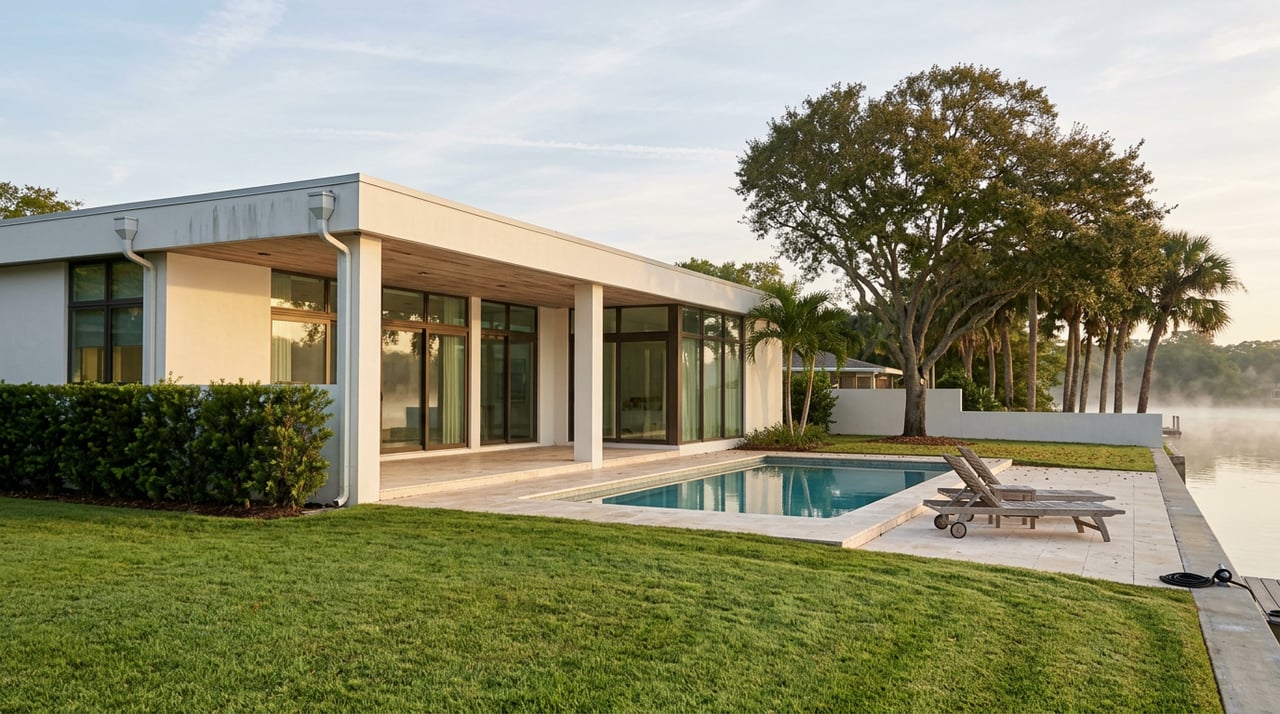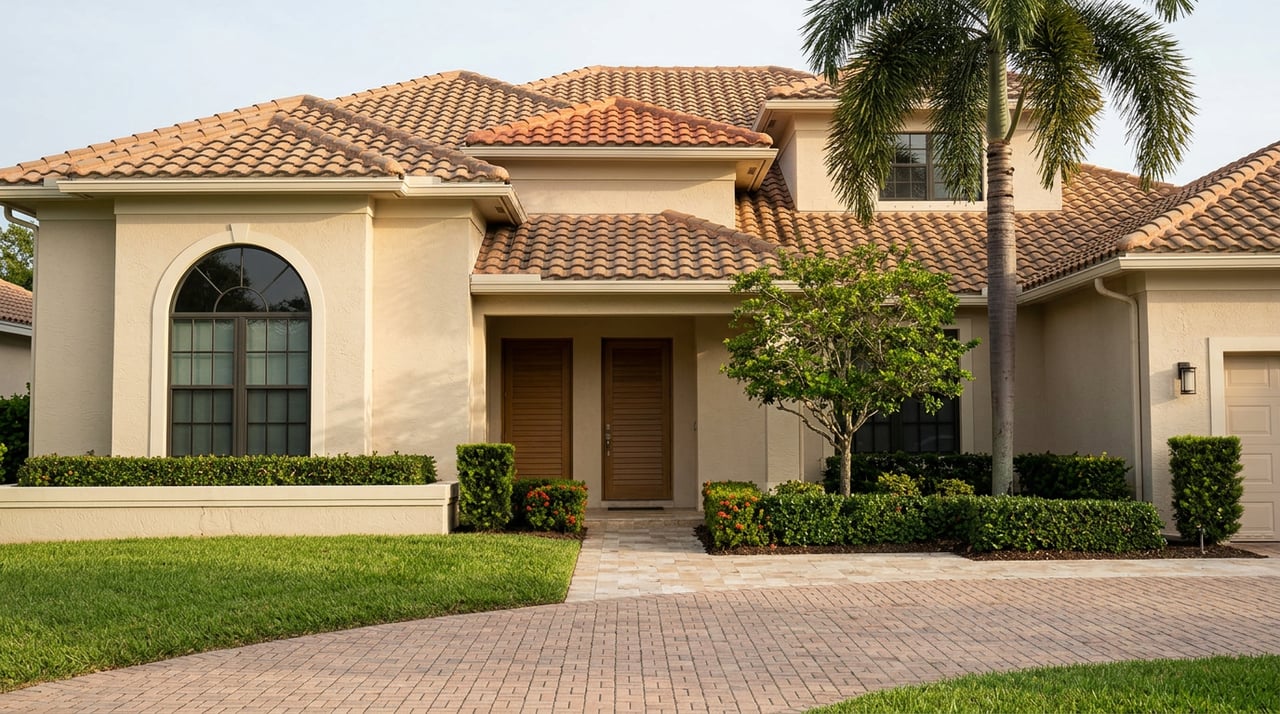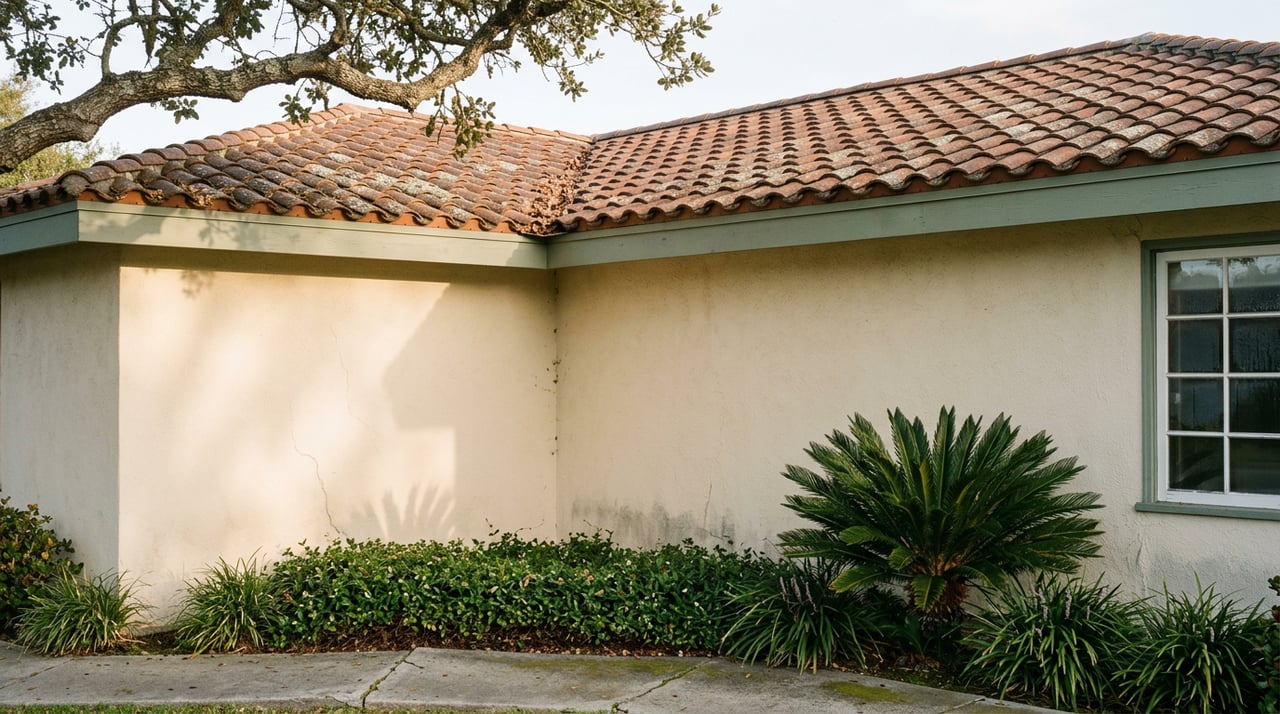
On April 2, 2025, the Delray Beach Historic Preservation Board spent real meeting time on a roof color. The house at 200 NE 5th Court is a one-story single-family home in the Del-Ida Park Historic District, and city planners had flagged it as non-contributing, meaning it doesn't carry the protected status that comes with the neighborhood's oldest bungalows. The application called for a standing seam metal roof. A board member asked about the finish. The applicant clarified that despite renderings that showed gray, the final color would be champagne. The board approved it and moved to the next case.
That five-minute exchange tells you something most Del-Ida buyers get backward. The neighborhood's historic designation isn't a blanket rule that applies to every old bungalow behind the diagonal streets. It's a two-tier system, and the tier your house falls into determines almost nothing about whether you'll end up in front of that same board. Whether your home counts as historic or not, the same certificate follows you into the permit office.
Contributing Is a Status, Not a Birthday
Del-Ida Park was platted in 1923, one of Delray's first planned developments, laid out with a distinctive diagonal street grid that creates triangular blocks and pie-shaped corner parks instead of the standard rectangle. The city designated it a local historic district in 1988. Today the district covers 58 acres and contains 151 structures. Of those, only 47 are classified as contributing.
That means roughly two out of every three buildings in Del-Ida do not carry contributing status, even though many sit on the same 1920s lots that make the neighborhood's reputation. Age alone doesn't earn the label. The city's own standard for a historic property requires that it be at least fifty years old and hold real significance, whether that's historical association or architectural merit that has survived intact. A century-old cottage that's been reclad, re-roofed, and expanded past recognition can lose contributing status even as the house next door, built the same year and left mostly original, keeps it.
For a buyer, this means the marketing phrase "historic Del-Ida" tells you almost nothing about what you're actually allowed to do to a specific address. You have to ask the city's Historic Preservation Division which category your parcel falls into before you assume anything about renovation flexibility.
The Line That Actually Matters
The city draws its real dividing line somewhere different than most buyers expect: not contributing versus non-contributing, but exterior versus interior.
Ordinary maintenance and any interior alteration are left entirely to the property owner. Gut a kitchen, move interior walls, replace HVAC, none of it requires board review. The moment work touches the outside of the structure, a Certificate of Appropriateness enters the picture, and that requirement applies to designated properties and to anything sitting inside a historic district boundary, contributing or not.
Here's where it gets specific enough to matter at the permit counter:
| Project | Review required? |
|---|---|
| Interior renovation, any scope | No COA |
| Repainting the same existing color | No COA |
| Repainting a different color | COA plus a Building Materials and Color Sample Form |
| In-kind roof repair, same material | Typically no COA |
| Roof replacement with new material or color | COA |
| Demolition, contributing or non-contributing structure | COA required, per LDR 4.5.1(F) |
| New construction or addition | COA |
A homeowner who assumes a plain 1970s infill house on a Del-Ida lot is exempt from all of this because it's non-contributing is setting up for a surprise the day they try to pull a demolition permit.
Two Tracks, One Calendar
Not every Certificate of Appropriateness goes in front of the full seven-member board. Depending on the scope of the work, the city reviews some requests at the staff level and reserves others for the Historic Preservation Board's public meeting. A color change or minor exterior fix might clear through staff. A demolition, a new build, or a significant addition goes to the board, gets a case number, and sits on an agenda alongside real estate attorneys, architects, and owners presenting their own projects in person.
That board doesn't run on a fixed weekly clock, and the gap between sessions isn't consistent. Public records show the board took up business on January 15, 2025, and the next Del-Ida case in the record wasn't decided until April 2, 2025, a stretch of more than two months. Miss the cutoff for a given cycle and a project can sit for weeks before anyone with signing authority reviews it. For a seller finishing pre-listing work on a deadline, or a buyer who wants to close and start renovating immediately, that irregular calendar is the actual friction point, not the design guidelines themselves. The guidelines tell you what's allowed. The calendar tells you when you'll find out.
The Teardown Question Investors Ask First
Del-Ida draws its share of value-add buyers looking at older lots with rebuild potential, and the first question those buyers usually ask is whether a non-contributing structure can just come down without the same scrutiny as a historic one. It can't. Demolition of any structure inside the district, whether it's on the city's contributing list or not, still requires Historic Preservation Board review before a demolition permit is issued.
The board has also made clear it isn't interested in a slower, unofficial route to the same outcome. In a September 2021 meeting, board member Claudia Willis raised a scenario where a contributing home falls into disrepair before an owner ever files for a site plan. Principal Planner Michelle Hoyland confirmed that qualifies as a code violation on its own, and if the structure deteriorates far enough, the city pursues it under its demolition by neglect provisions rather than treating it as a private maintenance matter. A building can't be allowed to fail its way out of protection.
For anyone assembling a lot or eyeing a rebuild in Del-Ida, that means the demolition timeline belongs in the offer strategy from day one, not something to sort out after closing.
Money on the Table for the Buildings That Qualify
The added review isn't purely a cost. Delray Beach offers a Historic Property Ad Valorem Tax Exemption for owner-occupied and income-producing properties that carry contributing status or individual historic listing, designed specifically to offset the added assessed value that comes from qualifying rehabilitation work. Separately, a Federal Historic Tax Credit of up to 20 percent exists for the rehabilitation of historic, non-owner-occupied properties, though that federal credit is tied to National Register listing rather than local designation alone, which is a distinction worth confirming for your specific parcel before assuming eligibility.
The practical read for a seller with a genuine contributing property: the same status that adds a board meeting to your renovation timeline can also reduce what a qualifying rehab adds to your tax bill. That trade only works in your favor if you know which side of the 47-versus-151 line your house sits on before you start.
What This Means Before You Write an Offer or List
- Confirm contributing or non-contributing status directly with the city's Historic Preservation Division. The listing sheet won't tell you, and assuming based on the home's age is how buyers get surprised.
- Ask whether your planned project falls under staff-level review or requires the full board, since that answer determines your timeline more than the project's actual complexity.
- If demolition or a significant rebuild is part of your plan, budget calendar time for a board cycle before you set a construction start date.
- Check both the Historic Property Ad Valorem Exemption and, if the property produces income, the Federal Historic Tax Credit eligibility before you finalize a renovation budget.
- Pull the property's Certificate of Appropriateness history through the city's public records system if you want to see exactly what's been approved or denied at that address before you write an offer.
A Few Questions That Come Up Often
If my Del-Ida home is non-contributing, can I renovate however I want? Interior work, yes. Exterior work still needs a Certificate of Appropriateness because the district boundary, not the contributing label, triggers the review requirement.
How long does a Certificate of Appropriateness actually take? It depends on whether staff can approve it directly or whether it needs a spot on the Historic Preservation Board's public meeting agenda. Staff-level reviews move faster. Board-level reviews are bound by whenever the next session lands, and recent records show that gap can run past two months.
Does a non-contributing house mean I can tear it down without review? No. Demolition inside Del-Ida Park requires Certificate of Appropriateness review regardless of a structure's contributing status.
Del-Ida rewards buyers and sellers who do the homework before the offer, not after the roof falls in. If you're weighing a purchase, a renovation, or a listing inside this district, the Creegan Team can walk your specific address through what its status actually allows and connect you with the right resources at the city before you commit to a timeline. Request a complimentary seller consultation to start with the facts that apply to your property, not the neighborhood in general.